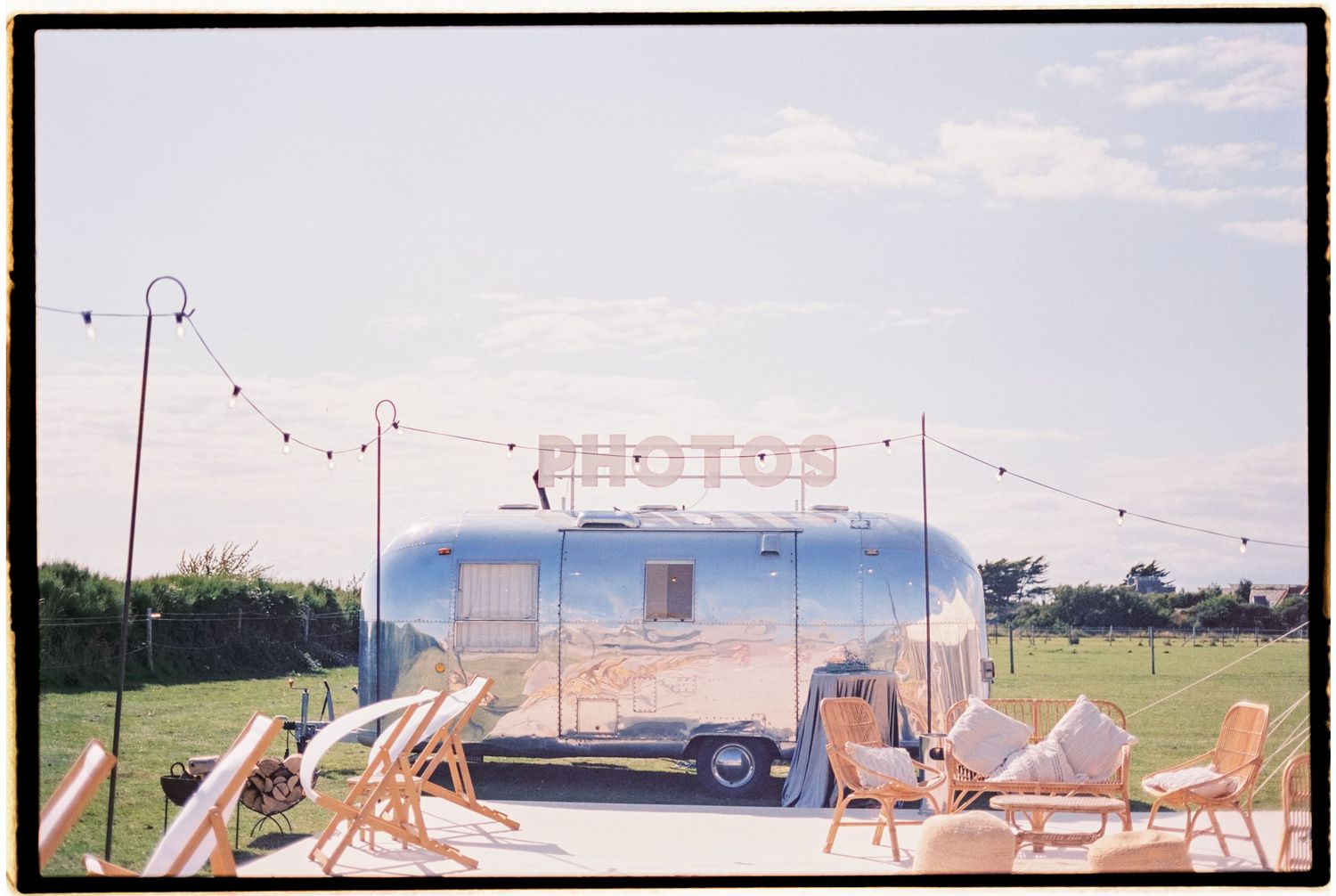
The beauty of 35 mm film. An Intentional Process
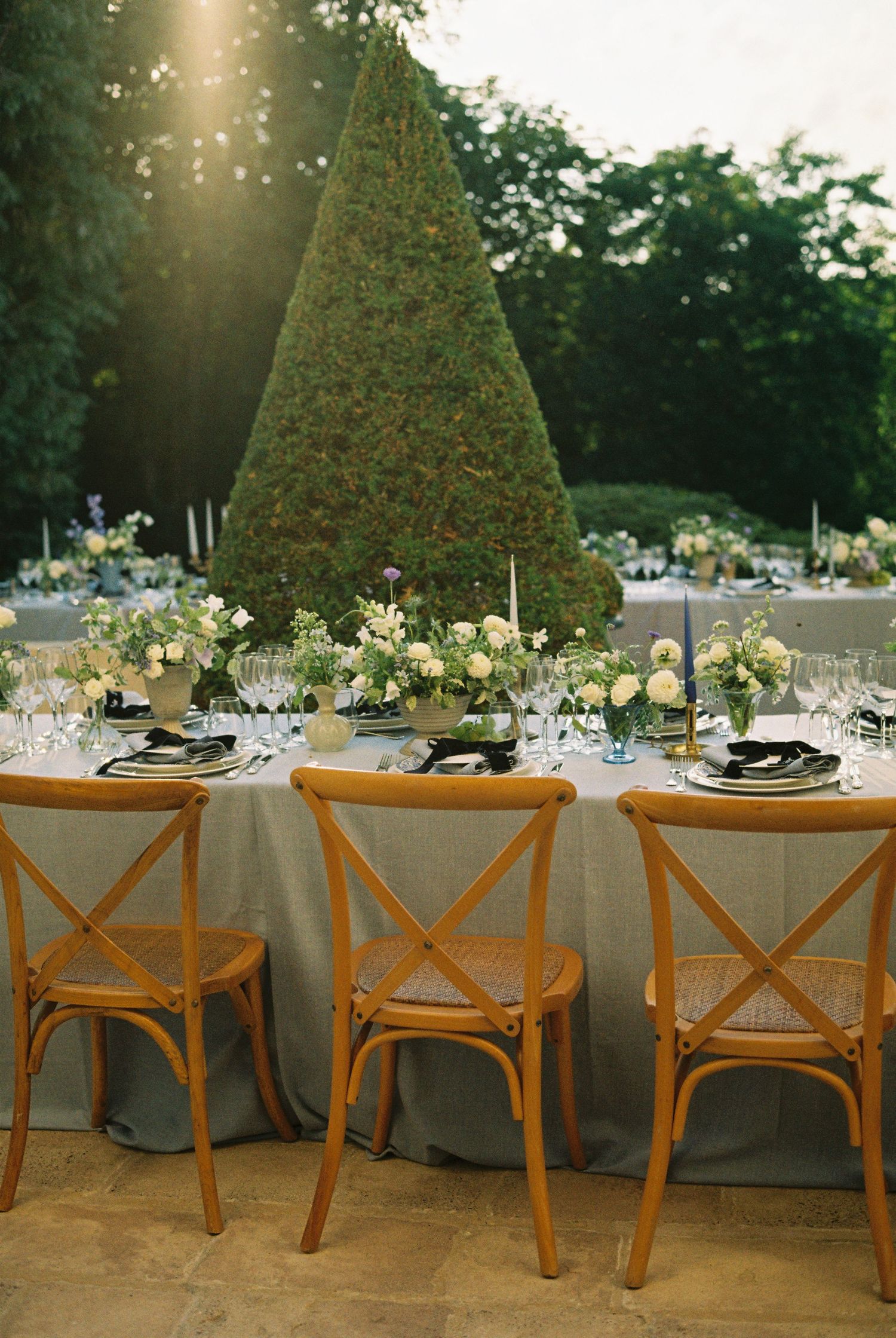
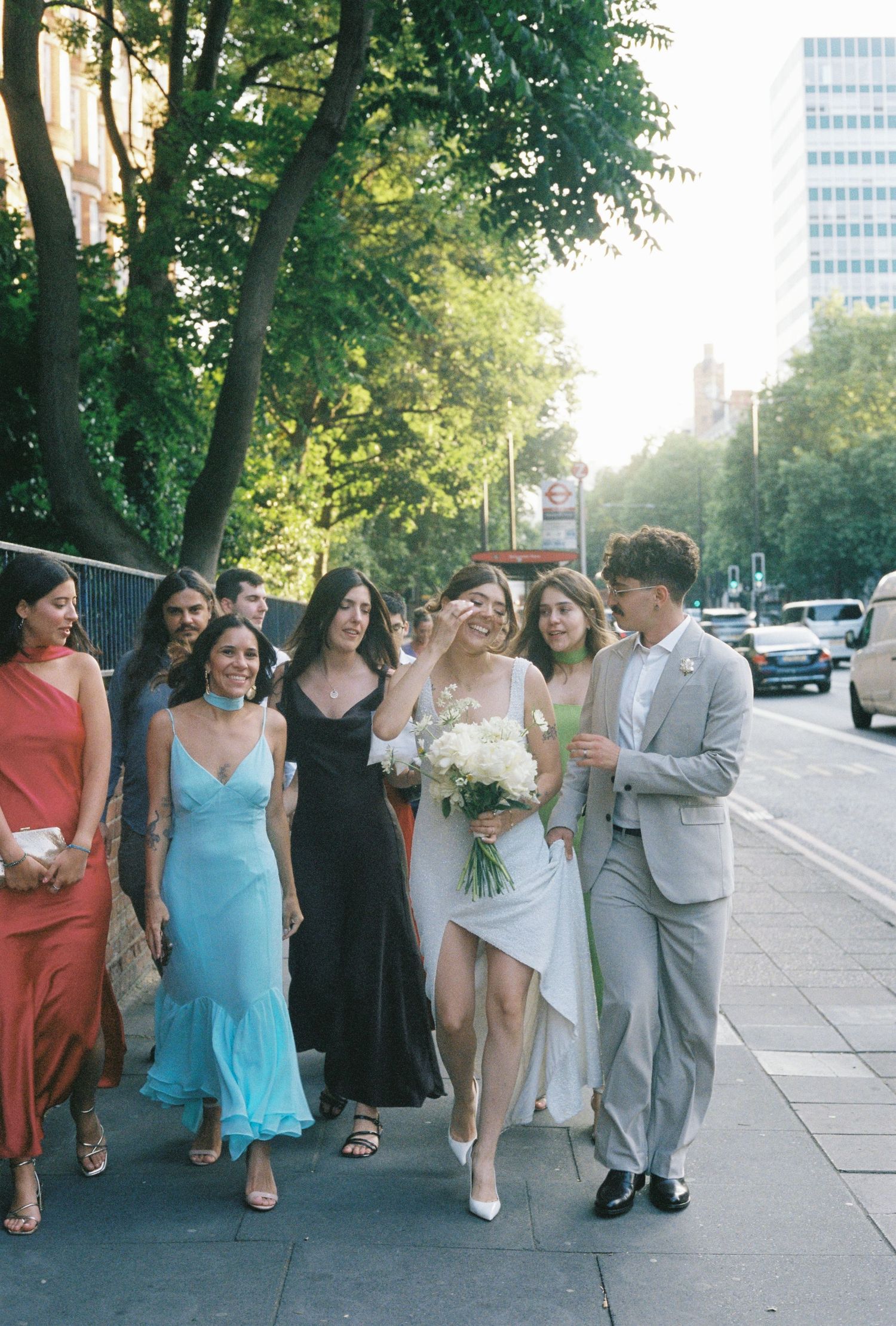
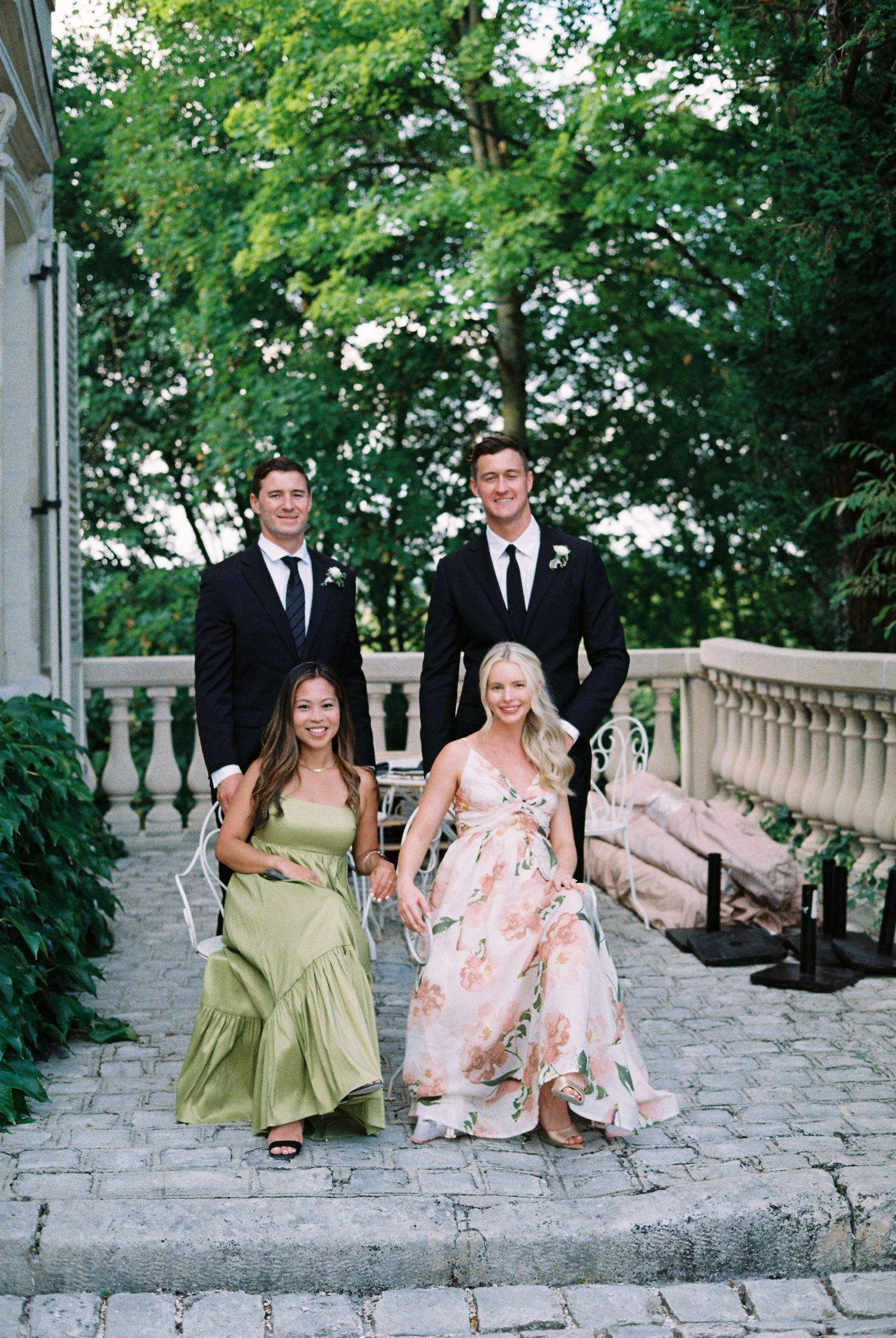
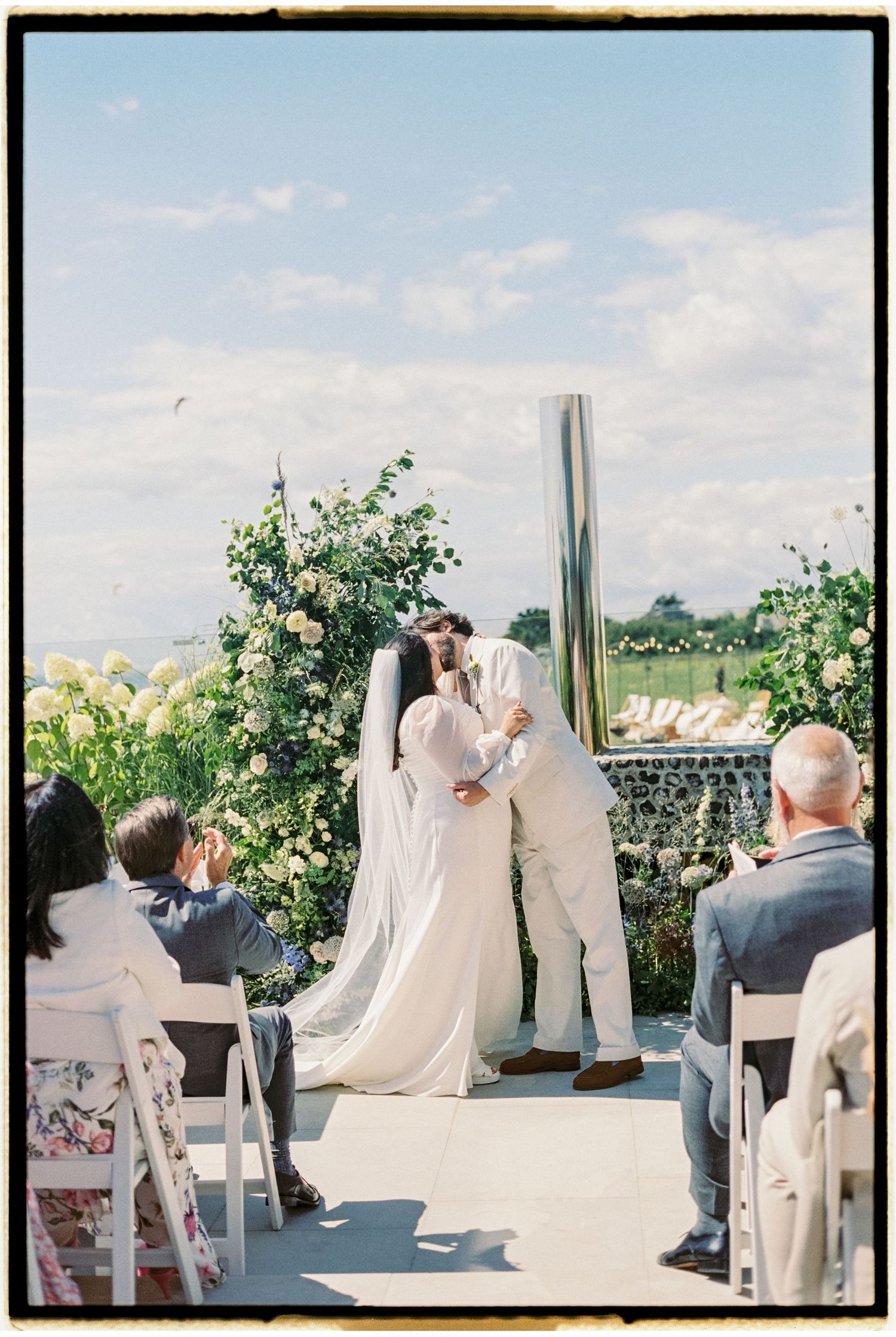
Why 35 mm film?
Film photography is celebrated for it's softness, depth, bold colours and authenticity. Unlike digital photography, film renders light and colour in a way that feels organic and enduring, skin tones are luminous, highlights are gentle and moments feel preserved rather than a processed.
Film demands something different: patience, attention and a deep commitment to each individual moment. There is a gentleness to film that digital often struggles to replicate. It does not feel manufactured or overly polished- it feels real, yet elevated.
And that is what makes it so special.
A Different Way of Photographing
How I Work on the Day
I photograph your wedding using a set of 35mm film cameras with automatic exposure and flash when needed.
This allows me to move quickly and adapt to changing light without slowing moments down or interrupting the flow of the day.
I carry multiple cameras pre-loaded with different film stocks, along with full backups, so I can switch seamlessly between lighting conditions and environments.
You may occasionally see me changing film rolls—this is a normal part of the process and something I do as efficiently as possible.
What This Means for You
Film doesn’t limit your day—it simply changes how it’s captured.
- I won’t overshoot every second, but I won’t miss important moments either
- I anticipate moments rather than react late to them
- I focus on real interactions instead of staged repetition
You can stay fully present, knowing everything important is being documented.
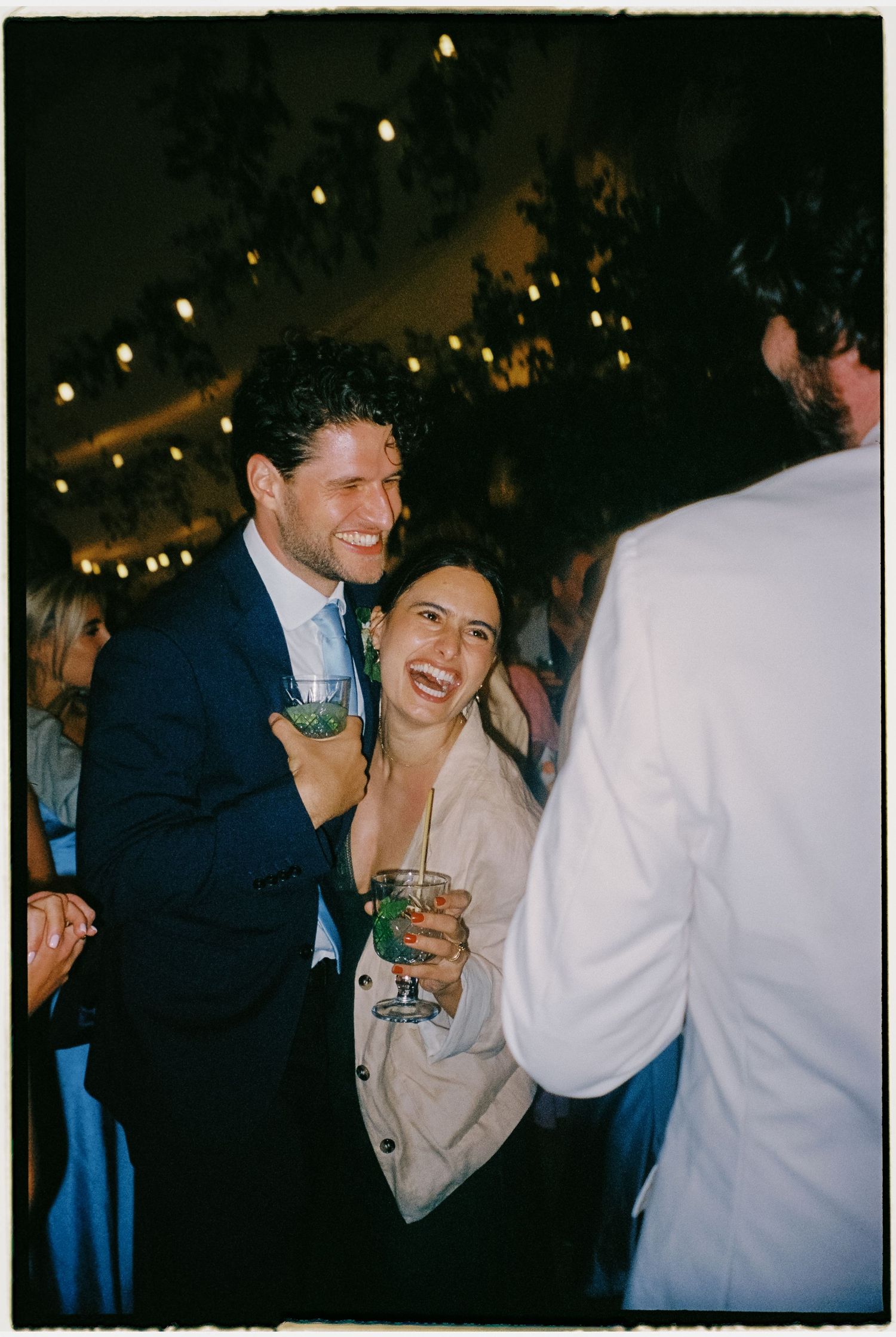
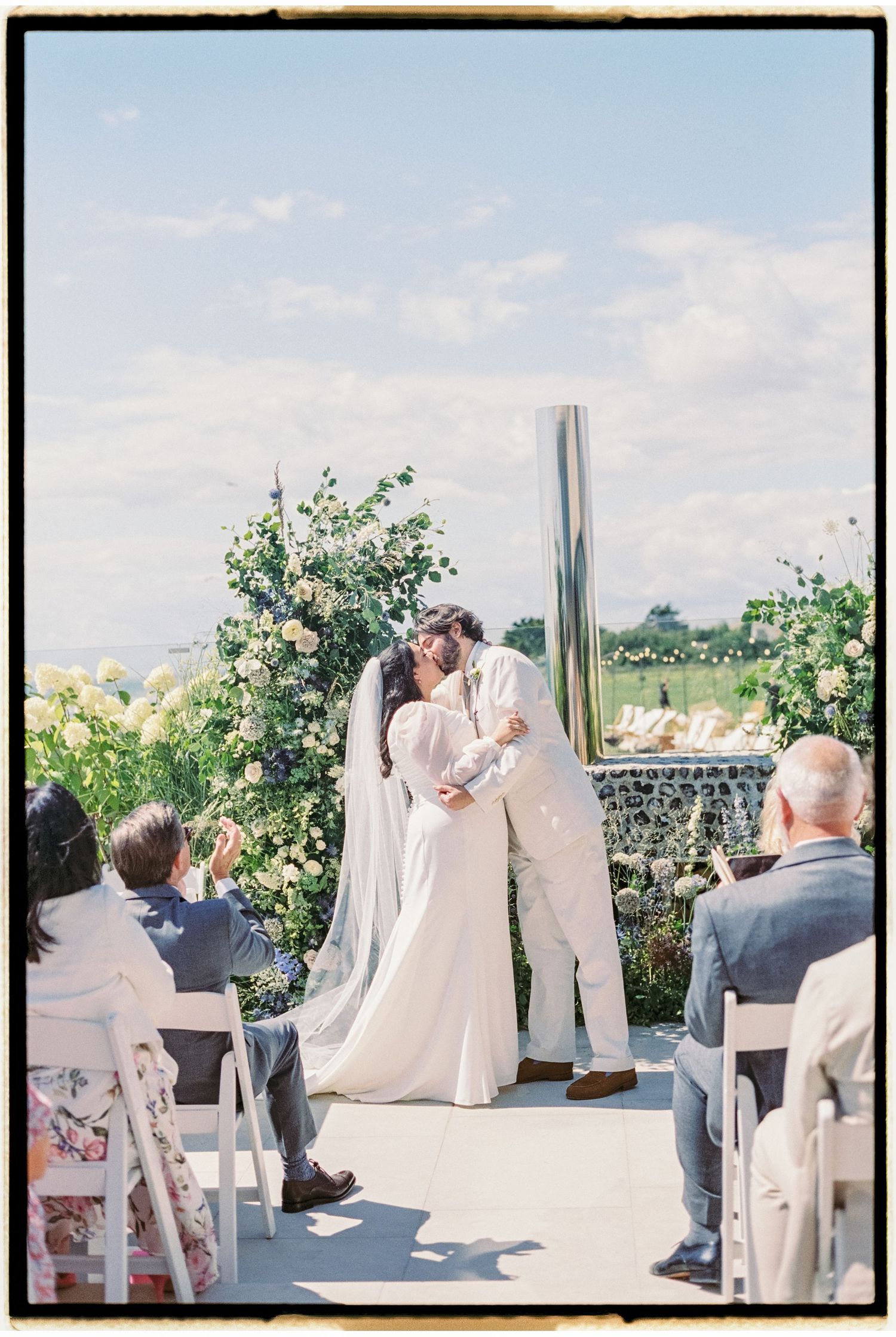
The film stocks I use
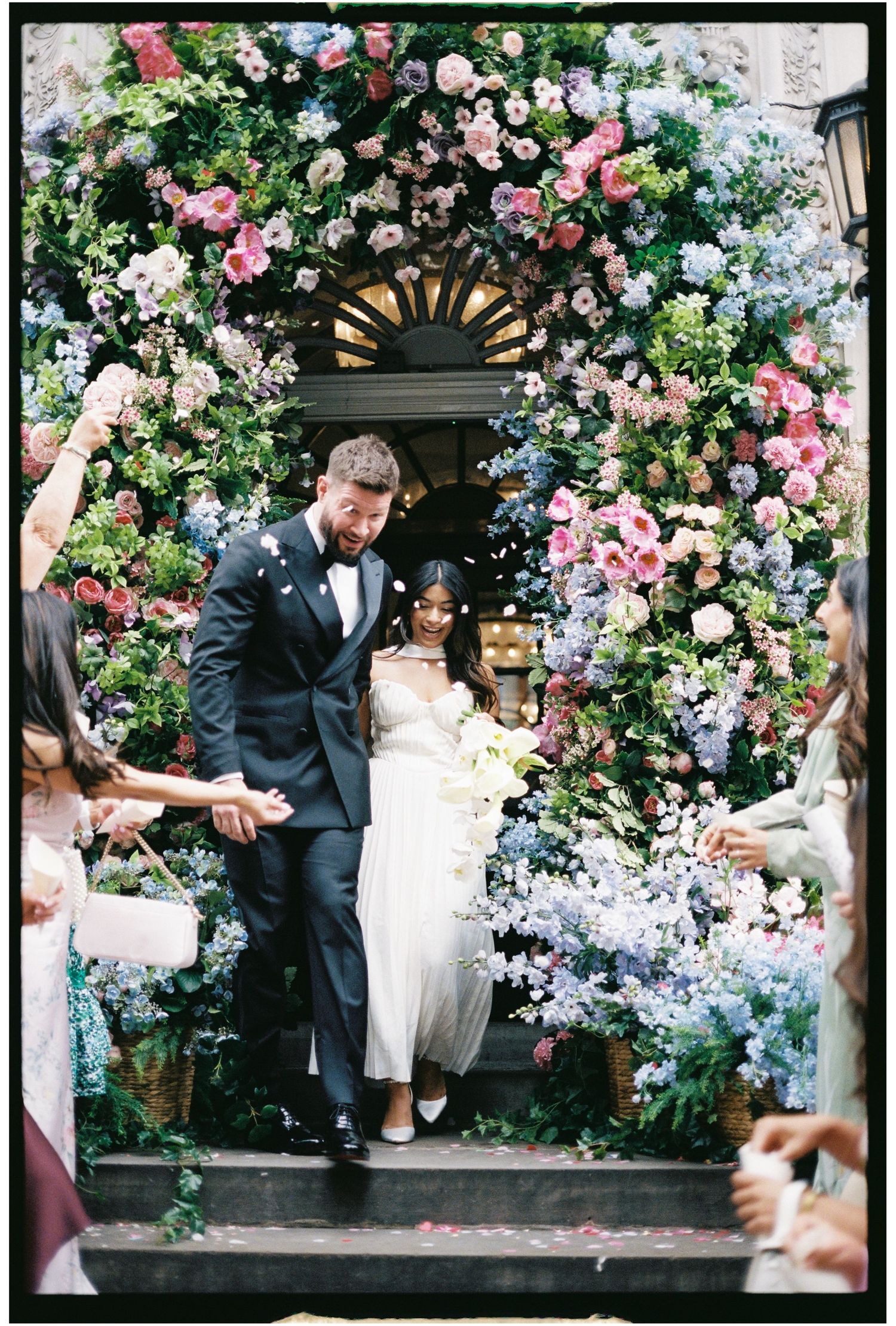
I shoot with four carefully chosen film stocks, each with its own personality, strength and ideal conditions. I make the call on the day- you do not have to think about this. But understanding each stock will help you understand why your images look the way they do.
Kodak Portra 400
Portra 400 is my first love. It is widely considered the finest portrait film ever made. The way it renders skin tones is extraordinary- it doesn't flatter falsely, it simply reveals the subject as they truly are but with a warmth and creaminess that makes every face look its absolute best.
The grain at ISO 400 is finer, barely perceptible in most conditions. The tonal range is exceptional. This film holds highlight details in bright outdoor conditions in a way that digital sensor often struggle to match. It has slight warmth to it's white point that makes everything feel golden.
Portra 400 comes out for your formal portraits, for the brighter moments of the ceremony, for group shots in good light and for any outdoor moments during the middle of the day. It is the film I trust the most when the light is giving me what I need.
Kodak Portra 800
Portra 800 is designed for difficult, low light situations and sometimes wedding photography is full of them. Dark churches, candlelit reception halls, dancing under dim overhead lights, golden hour..
At ISO 800, it gathers more light than slower stocks, allowing me to shoot without flash in situations where flash would be intrusive or impossible. The grain at 800 is present-you'll notice it. But it's beautiful. It adds an organic, cinematic quality. Skin tones are warm and neutral, highlights roll off softly rather than clipping and shadows retain detail and colour even at the edge of exposure.
Kodak Gold 200
Kodak Gold 200 is the most beautiful sunshine film in my collection. It is a slow stock- it needs light to perform but when it has that light, the results are radiant.
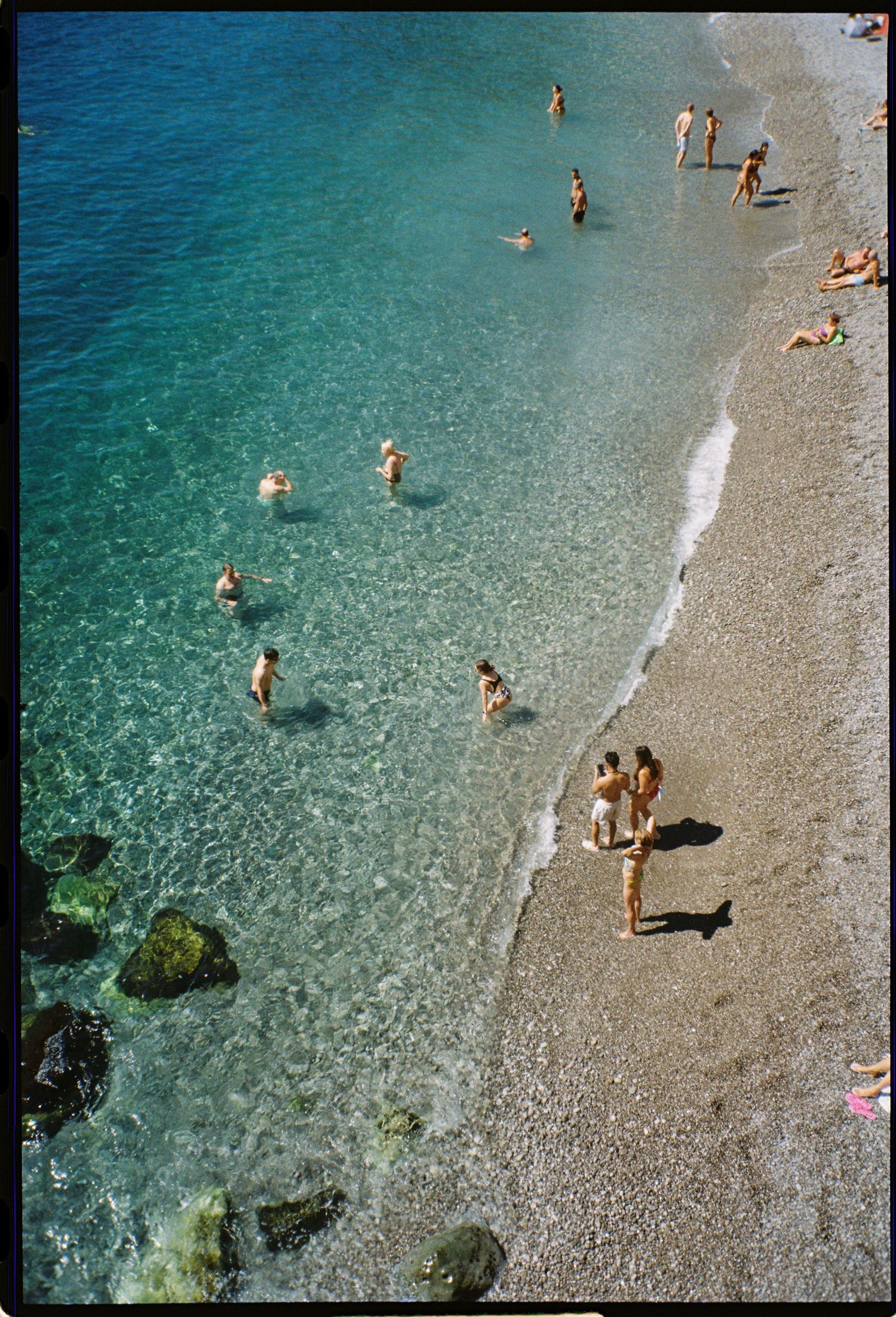
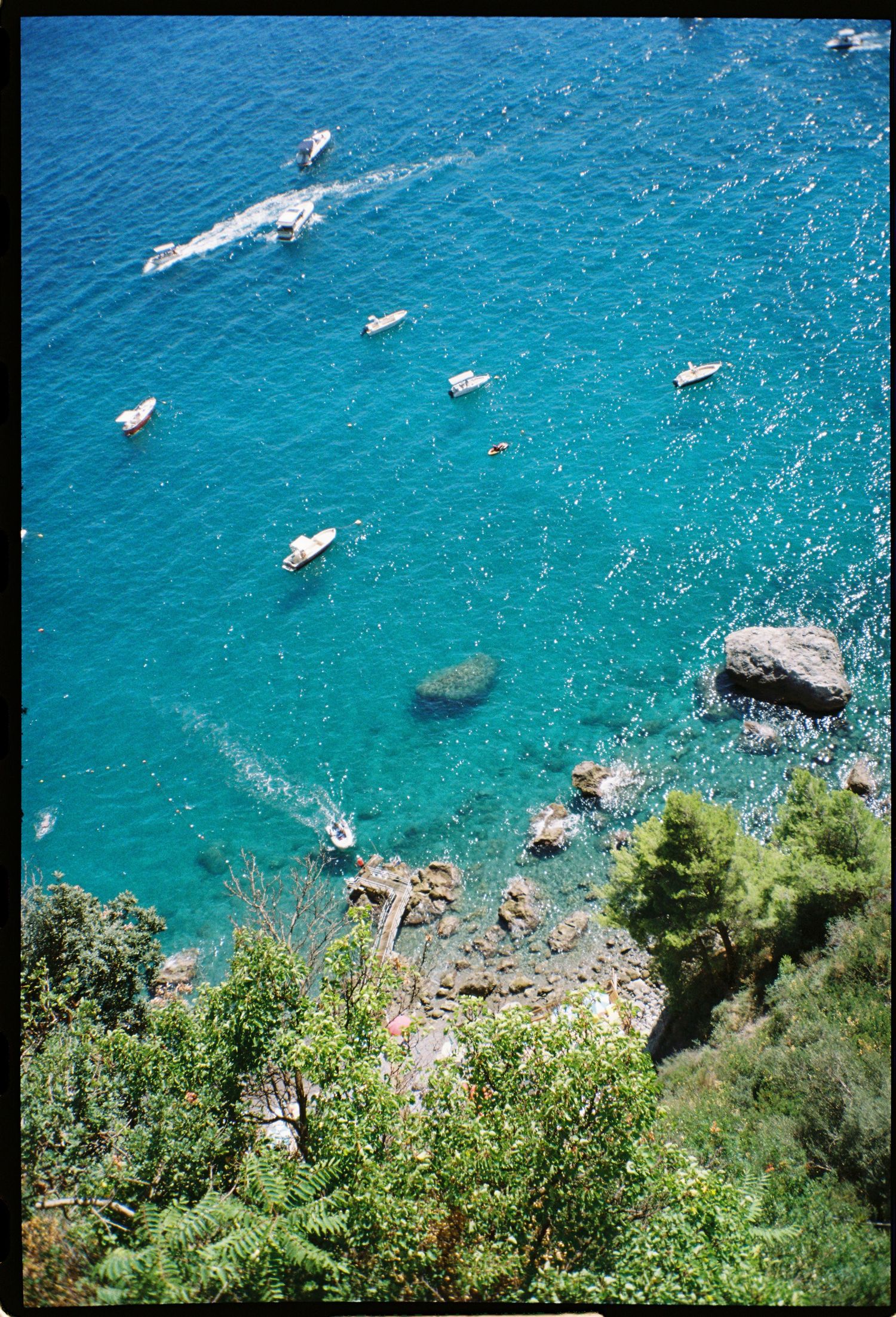
The colour palette is noticeably different from Portra: slightly more saturated, with a warmer cast that feels genuinely nostalgic. Blues become richer. Greens take on golden undertone. Skin glows.
I reach for Gold 200 almost exclusively for outdoor summer weddings, garden ceremonies and that specific window of late afternoon light that turns everything to honey. It is not a film I would use in a low light situation- slow speed means it struggle without adequate light- but in the right circumstances, it produces some of the most beautiful images I've ever made.
Kodak Tri-X 400
Tri-X is not just a film stock — it is a piece of photographic history. Introduced in 1954, it has been used by some of the most important photojournalists and documentary photographers of the twentieth century. Its grain structure is iconic: chunky, present, and deeply cinematic. When you see a Tri-X negative, you are looking at the same emulsion that documented civil rights marches, wars, and revolutions.
I use Tri-X as an editorial counterpoint to the colour work. While my Portra and Gold images capture the warmth and colour of your day, the Tri-X frames remove all of that — stripping the image back to pure light, shadow, texture, and emotion. These photographs tend to feel timeless in a way that colour images simply don't.
I tend to load a roll of Tri-X during the getting-ready period — the nerves, the quiet moments, the hands that need to hold still — and during the more emotionally charged parts of the ceremony. The exchange of vows, the first look, the moment of the first kiss: all of these translate beautifully into black and white.
The Tri-X images in your gallery often become the most treasured over time. Something about removing colour takes an image out of a specific moment and makes it feel permanent. Twenty years from now, they will look exactly as they do today.
Light, Timing & Your Schedule
Film is highly responsive to light, which makes timing an important part of how your photos will look.
Natural light
The best results come from soft, natural light—especially:
- morning preparations near windows
- outdoor ceremonies
- late afternoon / early evening portraits
Low light
In darker environments (receptions, evening dancing, candlelit spaces):
- images may appear moodier
- grain becomes more visible
- contrast increases
This is a natural part of film and contributes to the atmosphere.
Flash
I use flash when needed, particularly in the evening, to:
- keep images clear and sharp
- preserve energy on the dance floor
- maintain consistency across your gallery
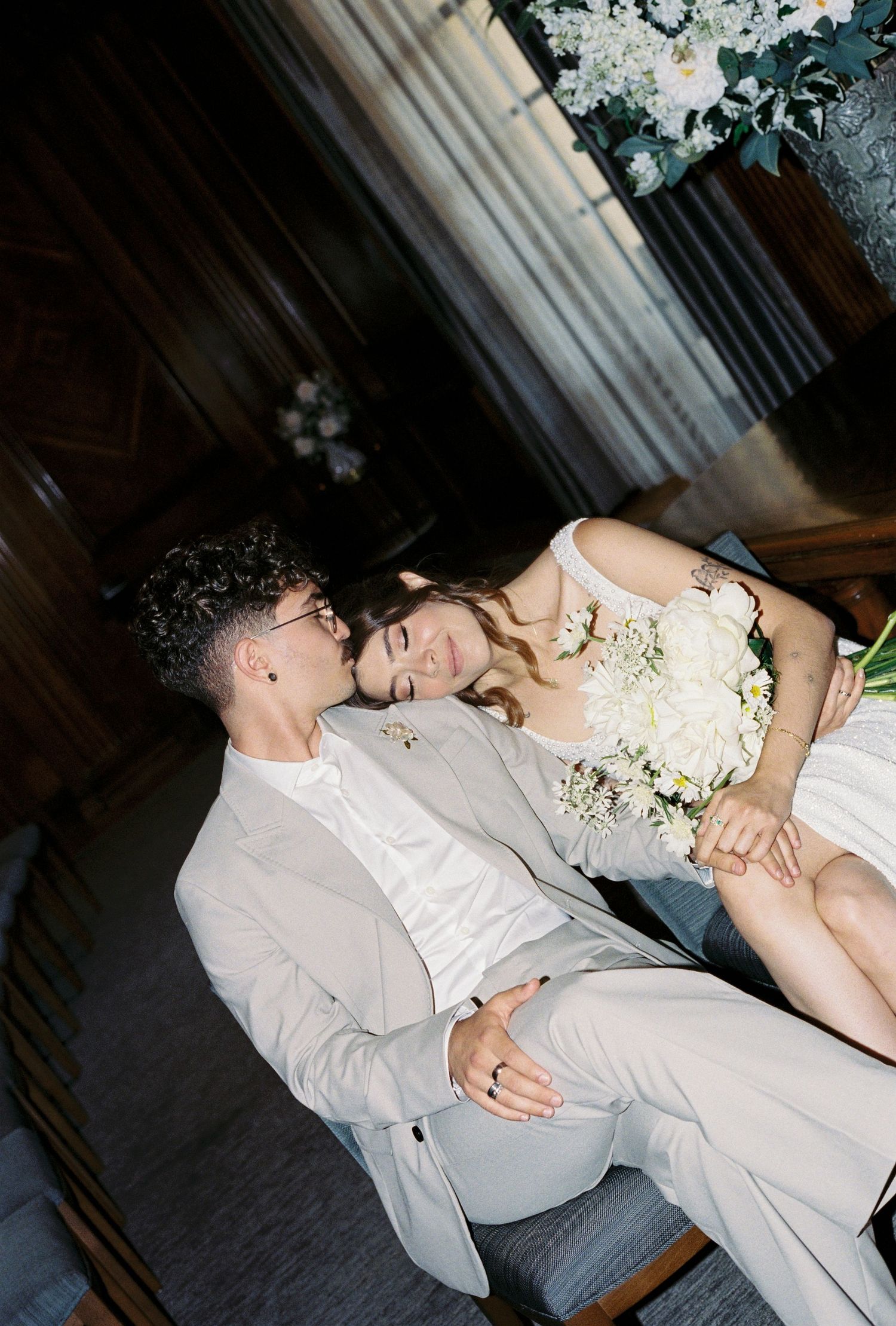
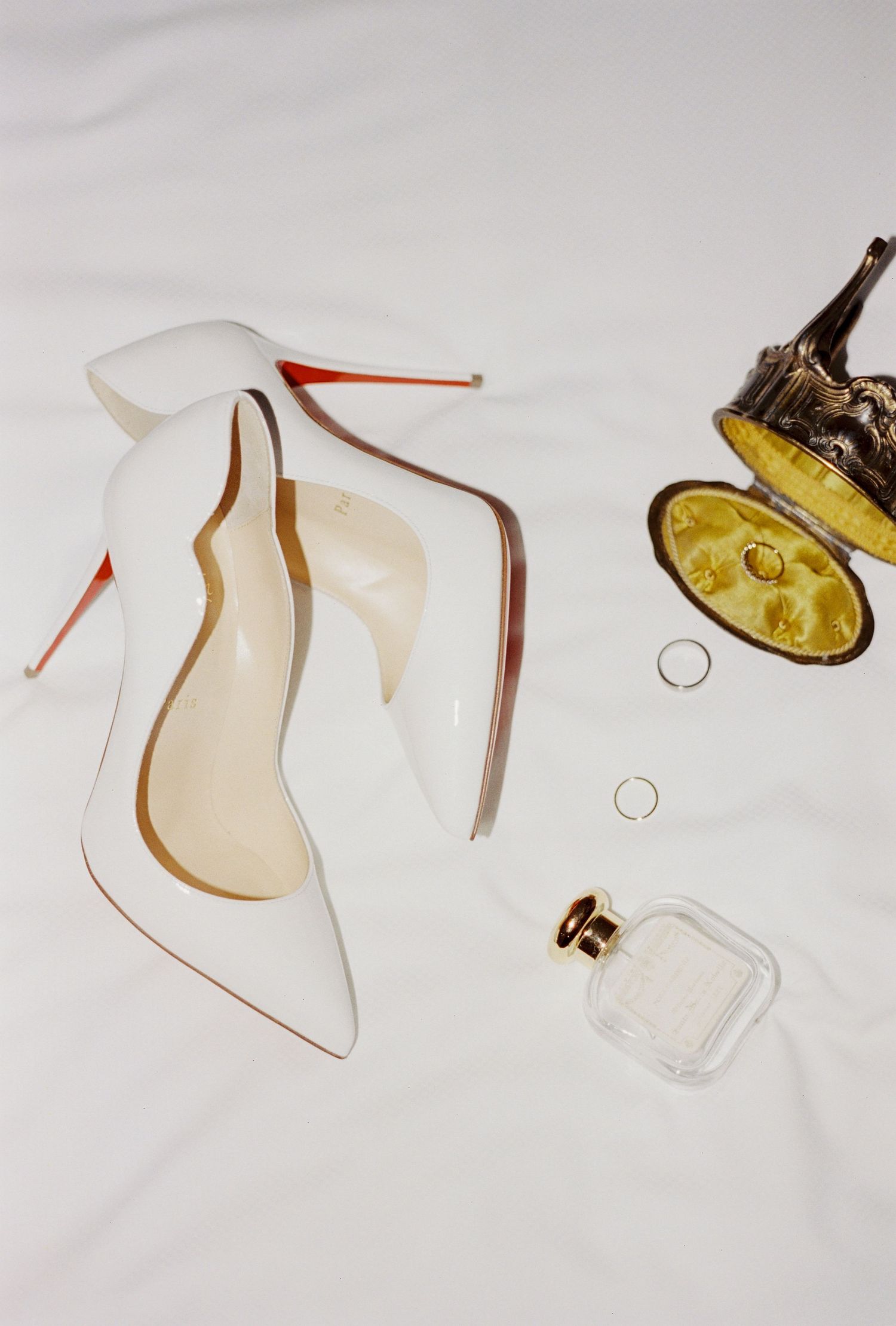
A Refined Collection with Texture & Imperfection
Film encourages selectivity.
Rather than producing a high volume of near-identical images, I focus on creating a distilled and cohesive collection—one that reflects the rhythm, emotion, and atmosphere of your day without excess.Film is inherently imperfect.
Grain, softness, and slight variations in exposure are natural characteristics of the medium. These elements are not corrected or removed—they are part of what gives the images their depth and authenticity.
The result is work that feels tactile, timeless, and real.
Nothing unnecessary is included.
After the Wedding
Your film is professionally developed and scanned at high resolution.
This process is handled with care and cannot be rushed. Once complete, your images are refined and prepared into a final gallery that reflects the day as it was experienced.
FAQ
Will anything be missed because it’s shot on film?
No.
I work quickly and intuitively, anticipating moments as they happen. Film changes the approach, not the coverage. Everything important is captured without needing repetition or staging.
How many images will we receive?
Each wedding is approached individually, but you can expect a carefully edited collection that fully reflects your day.
As a guideline:
- For town hall weddings (up to 4 hours), a minimum of 200 images is delivered
- For full-day coverage, a minimum of 400 images is delivered
The focus is always on completeness and quality rather than volume—ensuring your gallery feels cohesive, considered, and without unnecessary repetition.
Will all images look the same?
No.
Because different film stocks are used throughout the day, there will be subtle variations in tone, colour, and contrast. This is a natural and intentional part of working with film.
Your gallery will feel cohesive, but not uniform.
What happens in low light?
In lower light, images naturally become more atmospheric—grain increases, contrast deepens, and tones shift.
Where needed, I use flash to retain clarity, particularly during the evening. The aim is always to preserve the feeling of the space rather than overpower it.
Do you use flash?
Yes, when appropriate.
Flash is primarily used after dark or in very low-light environments. It allows moments to be captured clearly while maintaining the energy and character of the setting.
Can we request specific shots?
You’re welcome to share what matters most to you.
Beyond that, I work in a documentary way—observing and capturing rather than directing heavily. This ensures the images feel natural rather than constructed.
How long does delivery take?
Film requires developing and scanning before it can be finalised.
Because of this, delivery takes longer than digital photography. This time is necessary to ensure your images are handled and produced to the highest standard.
Will the images be retouched?
Images are refined for colour, tone, and consistency, but not heavily altered.
The intention is to preserve the natural qualities of film rather than digitally reshape them.
What if something goes wrong with the cameras or film?
All equipment is professionally maintained, and multiple film cameras are carried throughout the day, each with full backups in place.
For full-day weddings, I am also accompanied by an assistant from my team who photographs alongside me using a digital camera. This provides an additional layer of coverage and ensures the day is documented continuously and without interruption.
Do we need to do anything differently because it’s film?
Not at all—your day can unfold naturally without adjustment.
A few small considerations can enhance the final result, particularly around light and allowing enough time for moments to breathe, but nothing needs to be staged or changed for the camera.
Film cameras are mechanical, so you may occasionally hear the shutter or the sound of the film advancing and rewinding as rolls are finished. This is a normal part of the process and tends to blend into the background of the day.
What if the film is lost on the way to the lab?
All film is handled with care from the moment it’s exposed.
I personally deliver your film directly to my trusted professional lab, rather than relying on postal services. This ensures it remains secure and is processed promptly after your wedding.